Studio vs Home Setup: Which One Actually Gets You Better Results?
If you’ve ever been curious to know if you should start your content creation or podcast journey via your home video/audio setup or to use a professional studio, then this is right for you.
Having a home setup or using a professional studio like ours can really impact your content creation or podcast journey, and you want to have it planned early on. In this article, we’ll cover all the details you need to make the perfect decision.
Home Studio Setup: What It Is
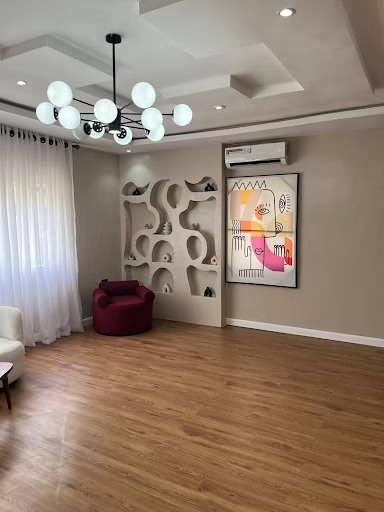
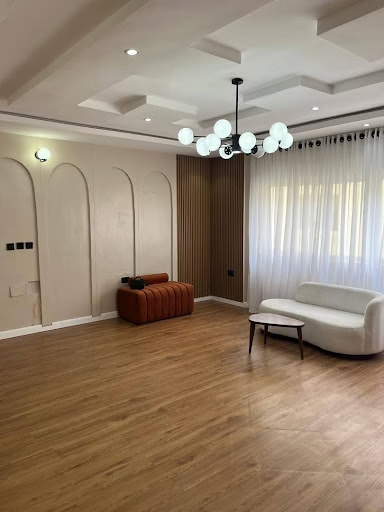
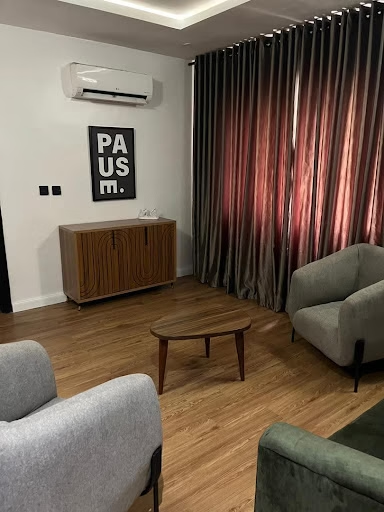
A home studio setup is exactly what it sounds like transforming a space in your house (could be your bedroom, living room, or spare room) into a recording environment. You’re basically bringing the studio to you, with equipment you own and a space you control completely. It’s your personal creative hub where you can record podcasts, create videos, or produce any content without leaving your comfort zone.
Advantages of a Home Recording Setup
Let’s talk about why so many creators are choosing to set up at home. First off, convenience is unmatched. You can record at 2 AM if inspiration strikes, and there’s no need to book time slots or travel anywhere. Your creative flow isn’t restricted by anyone’s schedule but your own.
The cost factor is huge too. Once you’ve invested in your equipment, there are no recurring rental fees eating into your budget. You’re not paying hourly rates or worrying about overtime charges. For creators who produce content frequently, the savings add up incredibly fast.
There’s also something special about the comfort of your own space. You can take breaks whenever you need, grab a snack from your kitchen, and work in whatever outfit makes you feel most creative. No pressure, no strangers around, just you and your craft.
Disadvantages of a Home Recording Setup
But let’s keep it real, home setups aren’t perfect. The initial investment can be pretty steep if you’re going for quality equipment. You’re looking at microphones, cameras, lighting, soundproofing materials, editing software, and all the little accessories that add up quickly.
Sound quality can be a nightmare if you’re not careful. Your neighbor’s dog, traffic noise, your fridge humming in the background all these things you never noticed suddenly become your worst enemies. Getting professional-level audio at home takes serious effort and often multiple attempts at soundproofing.
Then there’s the space issue. Not everyone has a spare room they can dedicate to content creation, and transforming your bedroom means living with equipment and potentially awkward lighting setups as part of your daily life.
Why Should You Try Home Studio Setup in 2025?
Look, we’re in a time where technology has made home production more accessible than ever before. The equipment that was studio-exclusive a decade ago is now available for home creators at reasonable prices. Software that once cost thousands can now be subscribed to monthly or even accessed for free.
The creator economy is booming, and consistency is key to success. Having a home setup means you can maintain that consistency without logistical headaches. You can test ideas, make mistakes, and iterate quickly without burning through rental budgets. For beginners especially, it’s a fantastic way to learn the ropes and develop your style before making bigger investments.
What Is Needed to Set Up a Home Studio?
At minimum, you’ll need a decent microphone (even a good USB mic can work wonders), headphones for monitoring, and a quiet space. For video content, add a camera or high-quality webcam, basic lighting (even budget LED panels can transform your footage), and a clean background or backdrop.
Don’t forget the often-overlooked items like a pop filter for your mic, a stable desk or stand, cables and adapters, and some form of acoustic treatment even if it’s just thick curtains or foam panels. Your computer needs to be capable of running editing software smoothly, so make sure your specs are up to the task.
How Do I Make My Home Studio Sound Better?
This is where most home creators struggle initially. Start by choosing the right room smaller spaces with carpet, curtains, and soft furnishings naturally sound better than large, empty rooms with hard surfaces. Corner placement for your recording position often works well because it minimizes reflections.
Acoustic treatment doesn’t have to break the bank. Heavy curtains, bookshelves filled with books, even strategically placed blankets can help absorb unwanted echoes. For more serious treatment, foam panels or bass traps in corners make a massive difference. Test your recordings and adjust gradually until you find what works for your space.
What Are Common Studio Build Mistakes?
People often go overboard on equipment before understanding what they actually need. That expensive microphone won’t fix a noisy room, and that professional camera won’t help if your lighting is terrible. Start with the basics and upgrade as you identify your specific needs.
Another mistake is ignoring room acoustics altogether. You can’t just buy equipment and expect magic your environment matters just as much as your gear. Also, many creators underestimate how much storage space they’ll need for footage and audio files. Plan for external hard drives or cloud storage from the start.
How to Create the Perfect Home Studio?
There’s no one-size-fits-all answer, but the perfect home studio is one that matches your content needs and workflow. Start by defining what you’ll create most often, podcasts need different setups than YouTube videos or live streams. Design your space around that primary use.
Invest in good foundational pieces first (audio quality is non-negotiable for almost all content types), then build up gradually. Make your space comfortable because you’ll be spending hours there. Good lighting, proper ventilation, and an ergonomic setup aren’t luxuries, they’re necessities for long-term sustainability.
Professional Studio Rentals: What It Is
Professional studio rentals give you access to fully equipped, acoustically treated spaces designed specifically for content creation. You’re essentially borrowing a turnkey solution—walk in, and everything from lighting to sound equipment is already set up and optimized. Studios like Mastermind CC offer these spaces by the hour or day, giving you professional-grade resources without the commitment of ownership.
Advantages of a Studio Rentals Setup
The quality difference is immediate and noticeable. Professional studios have acoustics that took experts to design, equipment that costs more than most home setups entirely, and lighting that makes you look your absolute best. There’s no comparison when it comes to production value.
You’re also getting technical support, which is invaluable when you’re learning or when technical issues pop up mid-recording. Someone else handles maintenance, troubleshooting, and equipment updates. You just show up ready to create.
For guests or collaborative projects, professional studios provide a neutral, impressive environment that signals you’re serious about your craft. It’s easier to convince high-profile guests to join your podcast when you’re offering them a professional experience rather than your living room.
Disadvantages of a Studio Rentals
The ongoing costs are the obvious downside. Every recording session is an expense, and if you’re creating content frequently, those hourly or daily rates add up fast. You’re essentially paying rent on space you don’t own, which can feel like throwing money away if you’re doing this regularly.
Scheduling can be restrictive too. You have to book in advance, work within available time slots, and sometimes rush your creative process because the clock is ticking. That spontaneous late-night recording session isn’t happening unless you’ve planned ahead and the studio has availability.
There’s also a commute factor you’re traveling to create content, which takes time and energy that could be spent on the work itself.
Why Should You Try Studio Rentals in 2025?
If you’re serious about making a strong first impression or you’re working on high-stakes content (like important interviews, pitch materials, or flagship episodes), the professional polish of a studio rental is worth every naira. It’s also perfect for creators who produce content less frequently, maybe weekly or monthly, where the rental costs are manageable.
Studios provide learning opportunities too. Working in a professional environment exposes you to high-end equipment and workflows you can eventually replicate at home. It’s like getting a masterclass just by being in space and watching how things are done.
Professional Studio Space in Lagos
Lagos has seen an explosion of content creation studios in recent years, but quality varies dramatically. The best studios offer not just equipment but expertise, reliable power backup (crucial in Lagos), and locations that are accessible for you and your guests. Areas like Lekki, Victoria Island, and parts of the mainland have become content creation hubs with multiple studio options.
Why Mastermind CC Studio Is Best for You
Mastermind CC understands the Lagos creator ecosystem because we’re part of it. Our studio isn’t just a room with equipment, it’s designed specifically for the challenges and opportunities of creating content in Nigeria. We’ve invested in backup power solutions so your sessions aren’t interrupted, acoustics that handle Lagos ambient noise, and equipment that’s maintained to professional standards.
We also get that your time is valuable, which is why our booking process is straightforward and our team is focused on making your creative process smooth, not complicated. Whether you’re recording your first podcast episode or your hundredth, you get the same level of professional support.
Book A Studio Sessions
Studio Rentals: Dos and Don’ts
Do book well in advance, especially for weekends or popular time slots. Do communicate your specific needs beforehand so the studio can be set up perfectly when you arrive. Do take advantage of the professional environment to create your best content, not just average stuff that could’ve been done at home.
Don’t treat rental time casually, prep your content thoroughly before you arrive so you’re using that expensive studio time for actual recording, not planning. Don’t be afraid to ask questions or request help from studio staff; that’s part of what you’re paying for. Don’t try to cram too much into one session; rushed content rarely turns out well no matter how good the studio is.
Conclusion: What to Do?
Here’s the honest answer: it depends on where you are in your journey and what you’re trying to achieve.
If you’re just starting out and planning to create content consistently (multiple times per week), invest in a modest home setup. You’ll learn faster, iterate more freely, and build skills without bleeding money on rentals. As you grow and your content improves, you can always upgrade your home equipment or start using studios for special projects.
If you’re creating less frequently but need high production quality, or if you’re at a stage where professional presentation could open doors for you, studio rentals make perfect sense. The investment pays for itself in credibility and production value.
The smartest creators often do both, maintain a home setup for regular content and use professional studios for flagship episodes, important interviews, or content that needs that extra polish.
Whatever you choose, remember that the setup is just a tool. What actually gets you better results is the quality of your ideas, consistency in showing up, and genuine connection with your audience. Start where you can afford to start, focus on improving your craft, and let your setup evolve as your needs and budget grow.