Digital Video Cameras: What Actually Matters for Professional Work
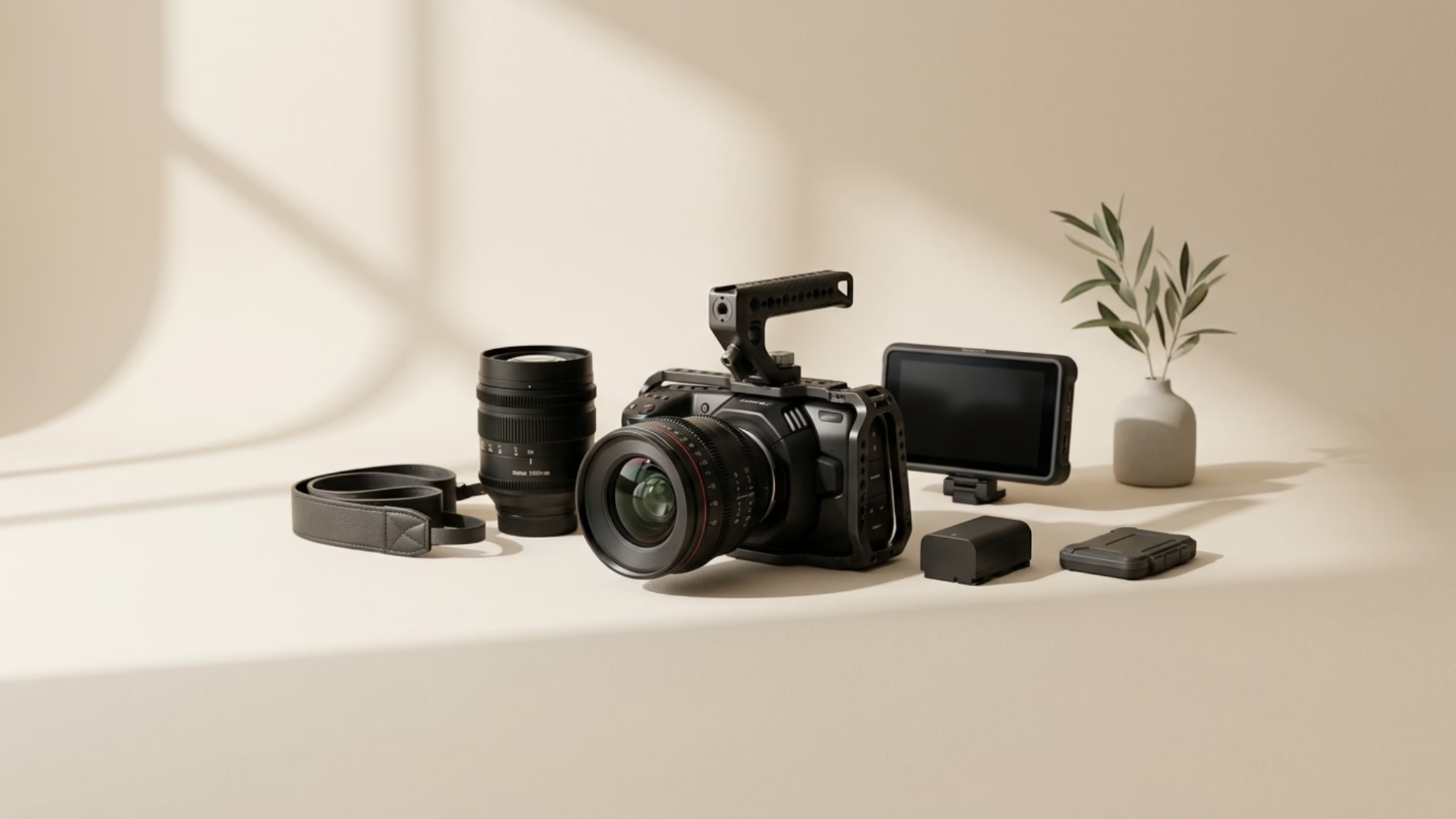
A video camera digital body earns its price through dynamic range, sensor size, and codec quality, not megapixel counts or marketing names. Resolution numbers sell cameras, but dynamic range and color science are what actually separate footage a client accepts from footage that gets reshot. This guide covers what a video camera digital body genuinely needs once it has to hold up under real professional work.
- Dynamic range: more stops means more recoverable detail in shadows and highlights.
- Sensor size: full frame gathers more light and produces shallower depth of field than smaller sensors.
- Codec and bit depth: 10-bit 4:2:2 footage survives color grading far better than 8-bit.
- Workflow fit: the best camera on paper still fails if it does not fit the actual production.
What Actually Matters In A Video Camera Digital Body For Professional Work?
A professional video camera digital body needs dynamic range and codec quality that survive real color grading, not just an impressive spec sheet. Most clients will never read a spec sheet, but they will notice blown out highlights or crushed shadows the moment footage gets graded.
The Sony FX3 full frame cinema camera is a common reference point for this standard, since its full frame sensor and log recording options were built specifically for professional color work rather than casual shooting. It is a solid example of what a video camera digital body needs to include at the professional tier.
Mastermind CC’s rent gear catalog lists day rate pricing on cameras at this level, which is a practical way to test a body against a real workflow before any purchase decision gets made.
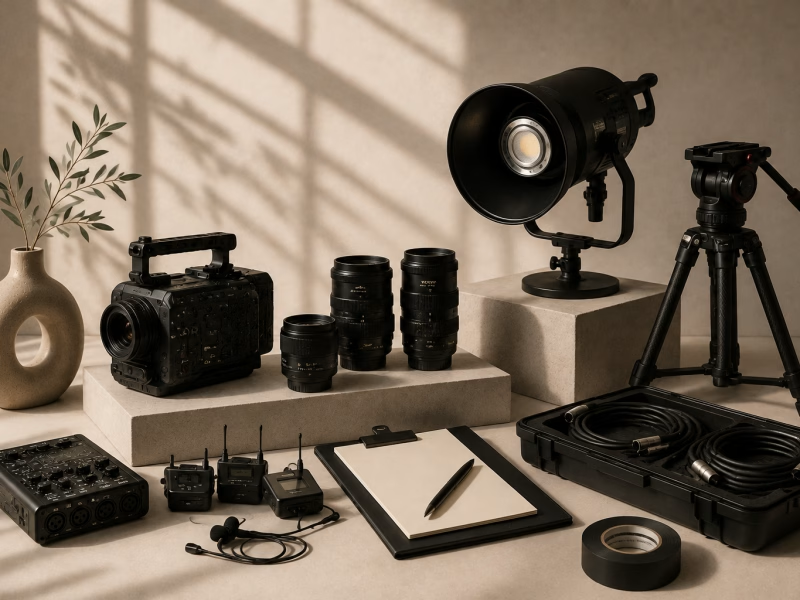
Mastermind CC’s studio and gear rentals service pairs a video camera digital body with the lenses, monitors, and audio gear that a professional shoot actually needs around it, since the camera alone rarely finishes the job.
Video Production Services Or Just Camera Rental: What Does Professional Work Actually Need?
Full video production services cover far more than a camera body, including a video production team, a video production manager, and a defined workflow from capture to delivery. Renting just a camera works for an experienced solo shooter, but most professional projects need the people and process around it just as much as the gear.
Mastermind CC runs both models side by side, and the full range of Mastermind CC’s services reflects how differently a solo creator and a full crew production actually use the same camera body on set.
Mastermind CC’s background as a gear access company rather than only a studio shapes which video production services actually get booked, since clients frequently start with a camera rental question and end up needing a full crew.
Real project work shows this pattern clearly. Mastermind CC’s project archive and its DevFest Lagos coverage both required a full video production team on site, not just a camera and an operator, to hit delivery deadlines.
Live events make the team dependency obvious fastest. Mastermind CC’s events and live production service runs a video production manager coordinating multiple camera operators at once, since no single person can run more than one professional camera body during a live, unrepeatable moment.
Video Camera Types: Cinema, Hybrid, And Broadcast
Understanding video camera types matters more than chasing a single best camera, since cinema, hybrid, and broadcast bodies are built around different priorities entirely. A hybrid mirrorless body shoots excellent stills and video but compromises on continuous recording time, while a dedicated cinema body sacrifices portability for uninterrupted professional recording. Choosing the right video camera digital body starts with knowing which of these categories a project actually falls into.
Sony’s own published specifications for the FX3 list a 15 plus stop dynamic range and full frame Exmor R sensor, numbers that place it firmly in cinema territory rather than casual hybrid shooting, despite its compact, cage free body.
Video Camera Types Compared
| Type | Strength | Tradeoff |
| Cinema (e.g. FX3, FX6) | High dynamic range, pro codecs | Higher cost, dedicated rig needed |
| Hybrid mirrorless | Stills and video in one body | Shorter continuous recording limits |
| Broadcast ENG | Rugged, reliable in the field | Bulkier, less shallow depth of field |
| Action or POV | Extreme portability | Small sensor limits low light and dynamic range |
Video Camera Cheap Options vs. Professional Bodies: Where The Line Actually Sits
A video camera cheap option can produce genuinely good footage in good light, but professional work exposes the gap fast in low light and high contrast scenes. The difference rarely shows up on a bright, evenly lit set. It shows up the moment a client needs usable footage from a dim venue or a backlit interview, exactly where a real video camera digital body earns its cost.
Streaming platform technical standards make this concrete rather than subjective. Netflix’s own camera requirements documentation evaluates approved cameras on dynamic range, color accuracy, detail rendition, and signal to noise ratio, precisely the attributes a video camera cheap body typically compromises on to hit a lower price point. Notably, the Sony FX3 sits among the more affordable cameras that still clears that bar.
Video Camera Tripod And Video Camera Tripod Stand: The Body Isn’t The Whole Story
Even the best video camera digital body underperforms without a proper video camera tripod stand to hold it steady through pans, tilts, and repeated setups. A cinema grade sensor cannot compensate for a wobbling video camera tripod during a slow push in.
Matching support gear to camera weight matters here specifically, since a full frame cinema body rigged with a monitor and top handle weighs meaningfully more than the same body straight out of the box, and an underrated tripod head shows that difference immediately on screen.
Video Production AI: What’s Actually Real Right Now
Video production ai tools have moved from novelty to genuinely useful in the editing stage, though the camera and lens still do the actual image capture. No current AI tool replaces a well exposed, well composed original shot from a solid video camera digital body, but several now meaningfully speed up what happens after that shot is captured.
Adobe’s own release notes for Premiere Pro describe generative extend for lengthening clips, automated media search across footage libraries, and automatic caption translation, all genuinely useful video production ai features that save real editing time without pretending to fix a badly shot original clip.
The Roles Behind The Camera: Video Production Team And Video Production Manager
A video production team on a professional shoot typically includes a camera operator, an audio person, and someone managing lighting, while a video production manager keeps the schedule, budget, and deliverables on track above all three. Skipping the manager role on anything beyond a one person shoot is a common way small productions run over time and over budget.
Industry standards bodies that govern broadcast and cinema production exist in part because consistent roles and workflows across a video production team are what let multi camera, multi crew productions actually deliver on schedule.
Equipment safety is part of that management responsibility too. Federal workplace equipment guidance calls for equipment to be installed and secured in a stable, workmanlike manner, a standard a video production manager should apply to every cable run and stand on set, not just fixed studio installations.
Resale value is a practical consideration too, and it tracks the same fundamentals. A video camera digital body from a well established professional line holds value noticeably better than a budget model, since working crews keep buying used bodies from brands with a proven track record of color science and reliable firmware support over years, not just at launch.
The Bottom Line
As of 2026, a video camera digital body earns professional status through dynamic range, codec quality, and how well it fits an actual workflow, not resolution numbers alone. Pair the right video camera digital body with the right support gear and the right team, and even a mid tier body can deliver professional results that a spec sheet alone never guarantees.
Video Camera Digital: Quick Answers
Does a higher resolution always mean better professional footage?
No, dynamic range and codec quality matter more than raw resolution for most professional delivery standards. A lower resolution video camera digital body with strong dynamic range often outperforms a higher resolution one with a weaker sensor.
Can AI tools replace a camera operator?
No, current video production ai tools assist in editing and post production, not in capturing the original footage. A skilled operator’s framing and exposure choices still cannot be recreated after the fact.
Is it worth hiring a video production manager for a small shoot?
For a single person shoot, usually not, but any project with more than two or three crew members benefits from one. The role pays for itself the first time it prevents a scheduling or budget mistake.